Suzhou Travel Guide: Itinerary and Top Attractions
Suzhou is about 100 kilometers from Shanghai, roughly a 1.5-hour drive. The city covers 8,657 square kilometers and has a permanent population of nearly 13 million. Suzhou is famous for its classical gardens and ancient water towns, with more than 60 well-preserved gardens, about 20,000 waterways, more than 400 lakes, and several historic canal-side villages.
Suzhou has four distinct seasons. The average low in January is around 1.5°C, while the average high in July and August reaches about 32°C.
The best times to visit are spring (March–May), when the city is lush and vibrant, and autumn (September–November), when the weather is crisp and comfortable. Summer is hot, humid, and rainy with the biggest crowds, while winter is cold and damp, and most of the garden foliage has already fallen.
Avoid visiting during Chinese national holidays, when the park gets very crowded, hotels are expensive, and high-speed train tickets are hard to get.
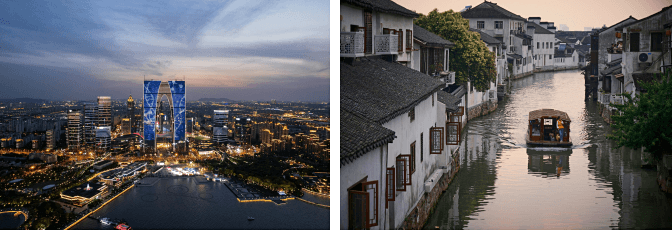 by Z. Ruikoto | Seele An
Getting to Suzhou from Shanghai
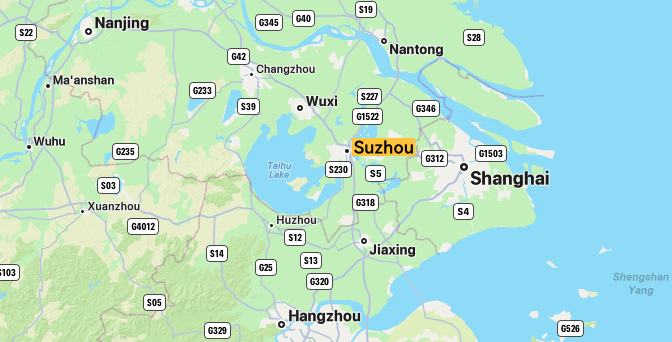
The high-speed train is the most convenient way to travel to Suzhou. Trains run extremely frequently and take you directly into the city center.
Suzhou has 14 railway stations, but Suzhou Railway Station (苏州站) is the main one. It has the most train services and is closest to the major sightseeing areas.
Departure: Shanghai Railway Station (about 5 km from the Bund, around a 20-minute drive)
Arrival: Suzhou Railway Station (city center; when using 12306, make sure to choose the station with the Chinese characters “苏州,” as several stations share the English spelling “Suzhou”)
Travel time: 25–40 minutes
Ticket price: About ¥40
Where to buy tickets: 12306 (China Railway’s official app) or Trip.com
Do you need to book in advance? Usually not. Trains run throughout the day, so same-day booking is fine. For weekends, public holidays, or if you want a specific departure time, booking ahead is a good idea.
- It’s technically possible to take a taxi to Suzhou (around ¥300), but it’s hard to find a driver willing to take the trip because they have to return to Shanghai empty and can’t pick up passengers on the way back.
- Suzhou does not have its own airport. The nearest and most convenient option is Shanghai Hongqiao Airport, located about 86 km away. From Suzhou Railway Station, you can take a high-speed train to Shanghai Hongqiao Station; the journey takes around 30 minutes and costs ¥42. The airport terminals are directly connected to the station area, making the transfer very easy.
Where to Stay in Suzhou
If convenience is your top priority, the area around Suzhou Railway Station is the most practical place to stay.
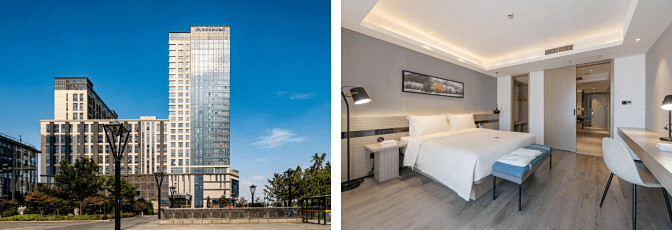
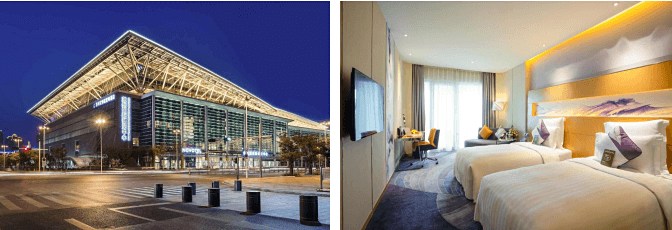
A good option is Atour Hotel Suzhou Railway Station North Square Bole Shi. Atour is a well-known mid-range hotel chain in China and a comfortable choice for travelers. The hotel is about a five-minute walk north from the station. One thing to note: the ground-floor lobby belongs to Madison Hotel. Walk through that lobby and take the elevator to the 6th floor, where you’ll find Atour’s front desk.
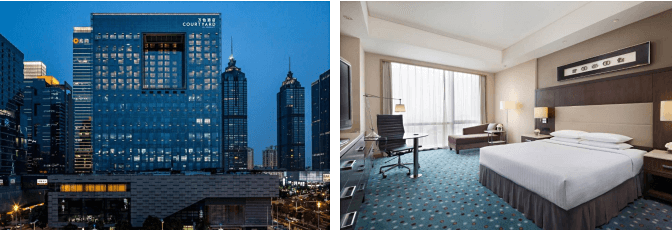
While staying near the railway station is convenient, the surroundings can be busy and noisy. If you prefer a more pleasant environment, consider staying near Jinji Lake instead.
Courtyard by Marriott Suzhou
The Xinhai Guangchang metro station is right downstairs. It’s about a 15-minute walk to the Gate of the Orient and the Jinji Lake waterfront. Getting to Suzhou Railway Station by taxi or metro takes around 20 minutes.
NOVOTEL Jinji Lake Suzhou SIP Rating 8.9, 120+ reviews
The Wenhuabolanzhongxin metro station is right downstairs, and the Gate of the Orient is just one metro stop away. Reaching Suzhou Railway Station by taxi or metro takes around 30 minutes.
Suzhou Itinerary & Getting Around
Day 1:
Arrive in Suzhou around noon. Take the metro for about 30 minutes to Xiangmen Station. From there, walk along Pingjiang Road to Lion Grove Garden — the walk takes about 30 minutes.
Add an extra hour if you plan to stop for food or browse the small shops along the way, and another 30 minutes if you want to take a traditional hand-rowed boat ride.
Spend about 1 hour exploring Lion Grove Garden. Then walk 10 minutes north to Humble Administrator’s Garden. This is one of Suzhou’s largest gardens, and you can budget 1–1.5 hours for your visit. However, it’s also the most crowded attraction in the city. If the line at the entrance is already very long, consider taking a quick rideshare to visit Hanshan Temple and Lingering Garden instead.
Day 2:
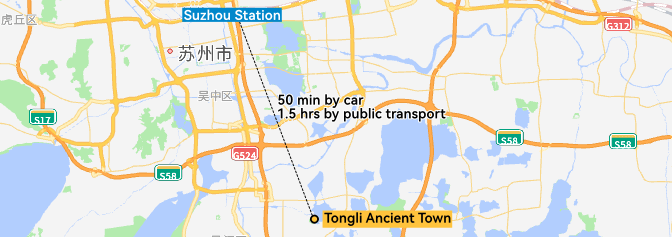
Spend the morning exploring Tongli Ancient Town, then return to Shanghai in the late afternoon.
- If you enjoy photography, you can visit Shantang Street or the Gate of the Orient in the evening on Day 1.
- If you don’t plan to visit Tongli Ancient Town (for example, if you’ve already been to Zhujiajiao), you can easily turn Day 1 into a full-day trip and return to Shanghai the same evening.
Getting Around Suzhou:
- Taxi / Ride-hailing: The fastest and most convenient way to get around, and the fares are generally quite low.
- Metro: Suzhou’s metro system doesn’t support tap-to-ride yet, so the easiest way to enter the station is by scanning the QR code in Alipay.
Map of Suzhou Attractions: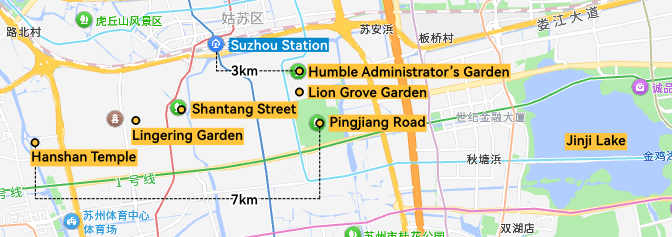
Travel Scams to Avoid
- There are no combo tickets for Suzhou’s classical gardens. Each one requires a separate entry ticket.
- Be careful of taxi drivers or people hanging around attraction entrances who approach you with “discount tickets,” “garden passes,” or “one-day tours.” These “tours” usually don’t take you inside the sights at all — instead, they make a quick stop outside and then take visitors to shops to buy things.
- Silk shopping is another common trap. Silk comes in many types and can be confusing, and genuine silk is expensive and very delicate. It wrinkles easily, is prone to damage, and must be hand-washed. Because of this, younger Chinese consumers rarely buy real silk nowadays — so be cautious if someone tries to pressure you into purchasing it.
Attractions in Suzhou
Humble Administrator’s Garden (Zhuozheng Garden)
First built in 1509, the Humble Administrator’s Garden is the largest and most visited classical garden in Suzhou. Featuring a layout centered around water, it is also one of China’s Four Great Classical Gardens.
Hours:
March–October: 7:30 am–5:30 pm (last entry at 5:00 pm)
November–February: 7:30 am–5:00 pm (last entry at 4:30 pm)
Admission:
Peak season (Apr/May/Jul/Aug/Sep/Oct): ¥80
Low season (Jan/Feb/Mar/Jun/Nov/Dec): ¥70
Tickets can be purchased on-site or booked in advance on Trip.com.
Recommended Visit Time: About 1.5 hour
Tip: Arrive at 7:30 am when it opens, or go an hour before closing. Crowds are much smaller at these times.
Why it’s so popular:
- Its location is excellent—Lion Grove Garden is a 5-minute walk to the south, and another 5 minutes brings you to Pingjiang Road. This route is extremely popular among visitors.
- Known as the “mother of all classical Chinese gardens,” its design—water at the core, with strong influence from literature and traditional painting—became a reference for later Chinese garden styles, giving it tremendous cultural significance.
- Because it draws the largest crowds, many visitors on social media recommend skipping it in favor of the quieter Lingering Garden
Getting There: Take Metro Line 6 to Humble Administrator’s Garden Suzhou Museum Station; the garden is right outside the station.
Watch: 苏州景区拙政园古建筑景观
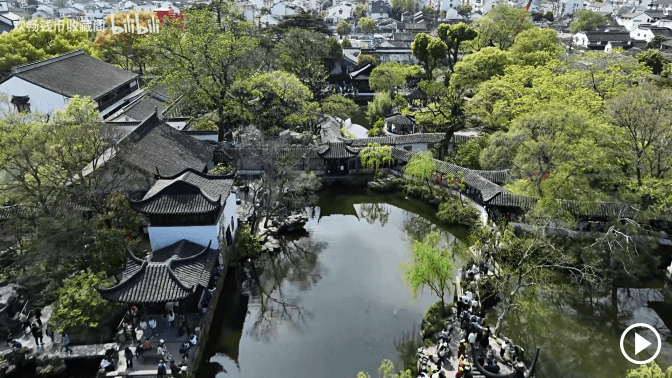
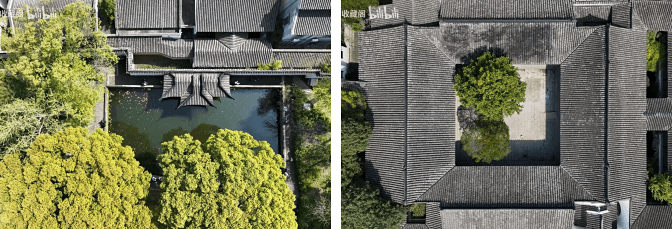
Watch: Exploring Suzhou’s Humble Administrator’s Garden
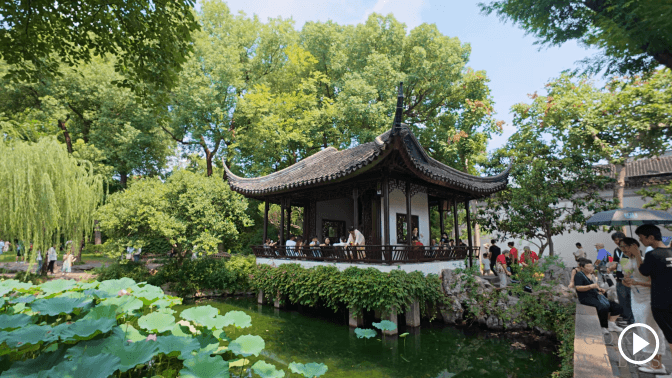
Lingering Garden (Liuyuan)
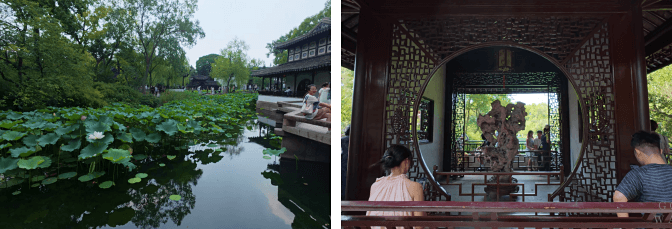
Dating back to 1593, the Lingering Garden is one of China’s Four Great Classical Gardens. It is famous for its elegant architectural layout and the classic garden design concept of “changing views with every step.” It is the second most renowned garden in Suzhou, just after the Humble Administrator’s Garden.
Hours:
March–October: 7:30 am–5:30 pm (last entry at 5:00 pm)
November–February: 7:30 am–5:00 pm (last entry at 4:30 pm)
Admission:
Peak season (Apr/May/Jul/Aug/Sep/Oct): ¥55
Low season (Jan/Feb/Mar/Jun/Nov/Dec): ¥45
Tickets can be purchased on-site or booked in advance on Trip.com.
Tip: Arrive at 7:30 am when it opens, or go an hour before closing for fewer crowds.
Recommended Visit Time: 30 minutes - 1 hour
Getting There: Take Metro Line 2 to Shilu Station. Exit from Exit 2 and walk northwest for about 1 km (around 15 minutes).
Watch: The Lingering Garden, A Classical Chinese Garden In Suzhou
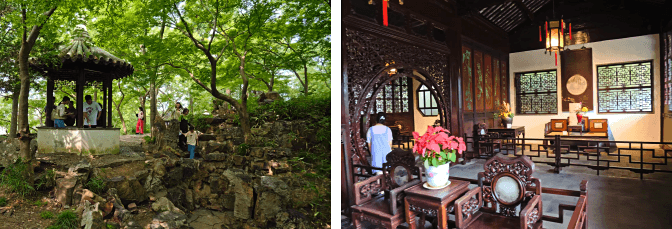
Lion Grove Garden (Shizilin)
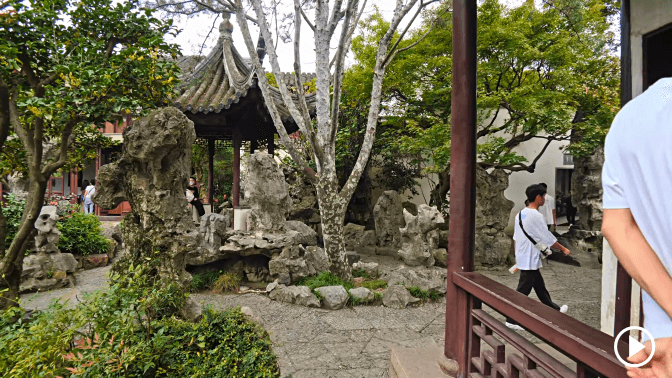
First built in 1342 as part of a Zen Buddhist temple, Lion Grove Garden is famous for its intricate rockeries and is often described on social media as the most fun garden in Suzhou. Its name comes from the Buddhist concept of the “Lion’s Roar,” symbolizing the power and authority of the Dharma.
Unlike other gardens that focus mainly on scenic views, Lion Grove Garden is designed for wandering and play. Its famous rockery features nine paths and 21 cave entrances, making it ideal for children and anyone who enjoys exploring labyrinth-like spaces.
Hours:
March–October: 7:30 am–5:30 pm (last entry at 5:00 pm)
November–February: 7:30 am–5:00 pm (last entry at 4:30 pm)
Admission:
Peak season (Apr/May/Jul/Aug/Sep/Oct): ¥40
Low season (Jan/Feb/Mar/Jun/Nov/Dec): ¥30
Tickets can be purchased on-site or booked in advance on Trip.com.
Recommended Visit Time: About 1 hour
Getting There: Take Metro Line 6 to Humble Administrator’s Garden Suzhou Museum Station, then walk 10 minutes south.
Watch: 苏州园林狮子林秋色
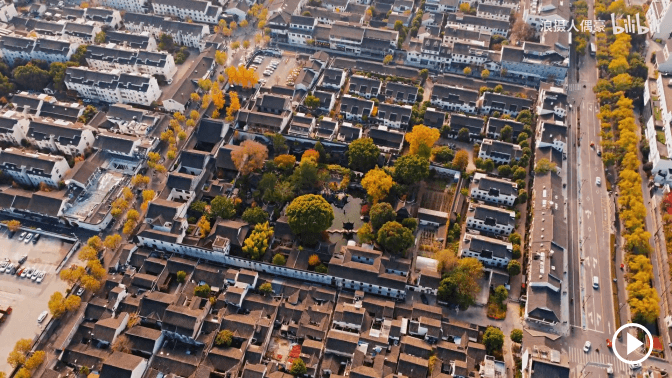
Watch: Lion Grove Garden | Suzhou 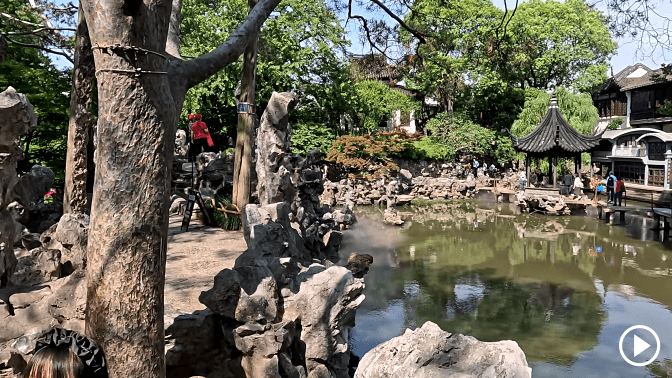
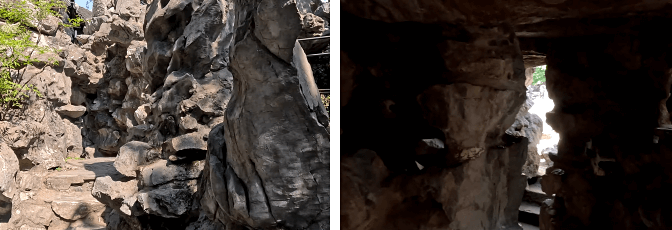
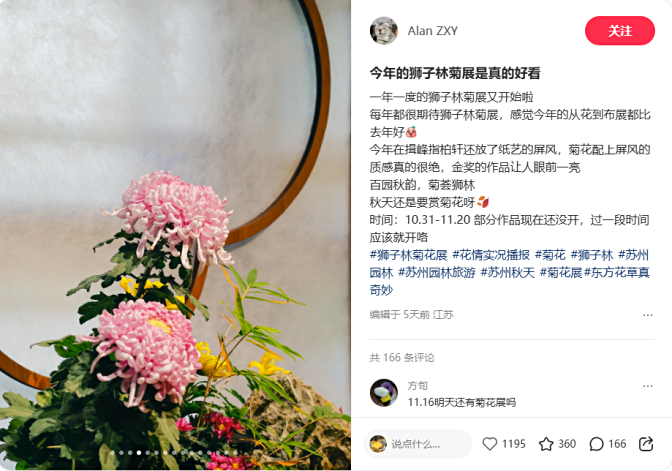
Note: A chrysanthemum exhibition is held here every year in early November.
Recommended Xiaohongshu Post: 今年的狮子林菊展是真的好看
Hanshan Temple
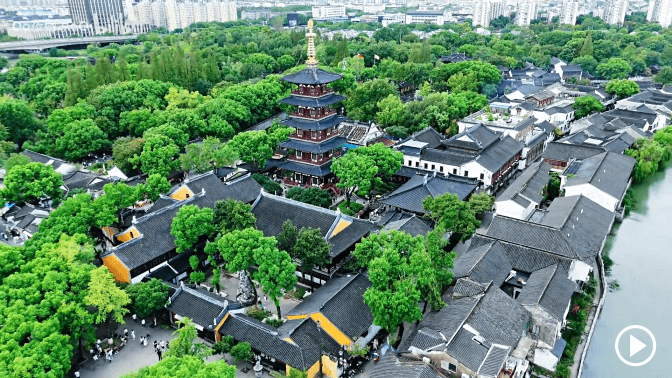
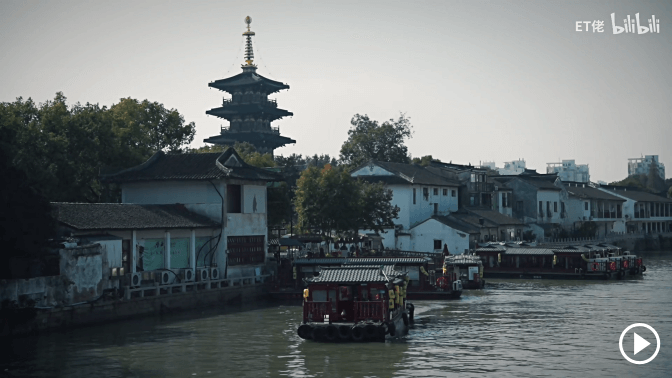
Hanshan Temple has a history of over 1,500 years. Although not large in scale, it is an important Buddhist temple dedicated to Shakyamuni. The temple is best known because of the famous Tang dynasty poem “Mooring by Maple Bridge at Night”, which made the site culturally iconic.
Mooring by Maple Bridge at Night (translated version)
At moonset cry the crows,streaking the frosty sky;
Dimly lit fishing boats’ neath maple’s sadly lie.
Beyond the city walls,from Temple of Cold Hill,
Bells break the ship-borne roamer’s dream and midnight still.
Hours: 7:30 am–5:00 pm
Ticket: ¥20
Tickets can be purchased on-site or booked in advance on Trip.com.
Recommended Visit Time: 15–30 minutes
Tip: If you’re visiting around lunchtime, consider trying a bowl of vegetarian noodles at the temple. It costs about ¥20 and is well-reviewed by visitors.
Getting There: Take Metro Line 1 to Xihuanlu Station, then walk 15–20 minutes. Taking a taxi is generally more convenient.
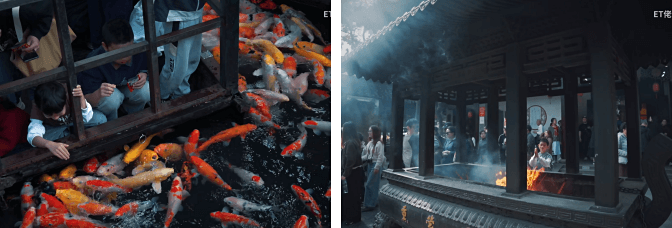
Note: Hanshan Temple is somewhat controversial on Chinese social media. The temple grounds are small, but commercialization is significant—for example, paying ¥5 to ring a bell three times, ¥10 to touch koi fish in a pond, or ¥80 for incense (which is free or inexpensive at many other temples in China).
Watch: 航拍苏州寒山寺
Watch: 氛围感vlog丨寒山寺祈福
Pingjiang Road
Pingjiang Road is a 1-kilometer historic street built along a canal. Today, it has been transformed into a lively pedestrian street lined with souvenir shops, restaurants, and cafés. Because the street is relatively wide and has many side alleys, it usually feels less crowded (especially compared with Shantang Street mentioned below).
Recommended Visit Time: 30–60 minutes
How to visit:
- You can visit during the day or in the evening; evenings are usually less crowded.
- Consider taking a traditional rowing-boat ride. The pier—Pingjiang Road Rowing Boat Pier—is located on the north end of the street. Tickets are ¥40 per person for a 30-minute ride, available on-site.
Getting There:
- Take Metro Line 1 to Xiangmen Station, exit from Exit 3, then walk 5 minutes west to reach Pingjiang Road.
- From the north end of Pingjiang Road, Lion Grove Garden is another 5-minute walk.
Watch: 苏州平江路雨中游船
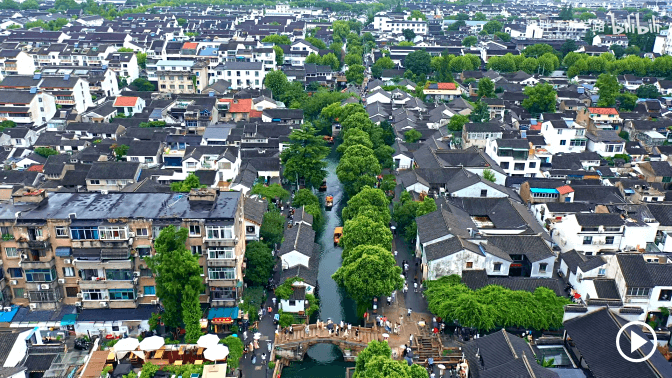
Watch: Discovering the Charm of Ancient China
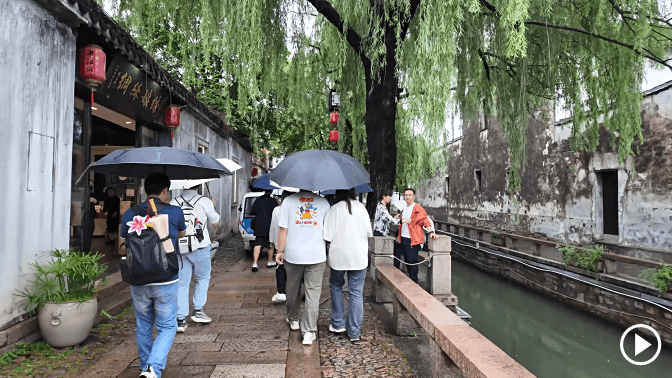
Watch: Peaceful Night Walk in Pingjiang Road
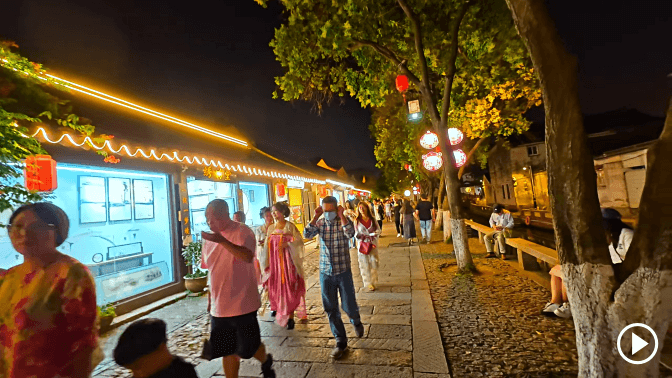
Shantang Street
Shantang Street is a historic riverside street with over 1,200 years of history. It stretches about 3.6 km, but only the eastern 300-meter section is open to tourists—the area marked on maps as “Qili Shantang Scenic Area.” You can think of it as a smaller version of Pingjiang Road.
Recommended Visit Time: 10 minutes–30 minutes
How to visit:
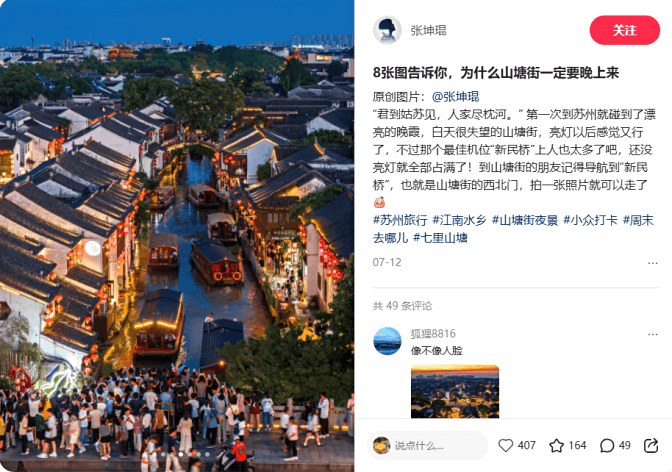
Shantang Street is known for its beautiful night scenery. If you enjoy photography, consider visiting in the evening—take the metro, then walk to one of the nearby bridges for photos or night views. The street itself is short and narrow, and the pedestrian walkway along the canal often becomes overcrowded, making it difficult to move around. Because of that, Shantang Street is better enjoyed from a distance rather than explored on foot.
Getting There:
- Take Metro Line 2 to Shantangjie Station, Exit 3, and you’ll arrive right next to the scenic area.
- If traveling by taxi, enter “Qili Shantang Scenic Area” as your destination—not simply “Shantang Street,” which may route you to a residential area 2 km away.
Recommended Xiaohongshu Post: 8张图告诉你,为什么山塘街一定要晚上来
Tongli Ancient Town
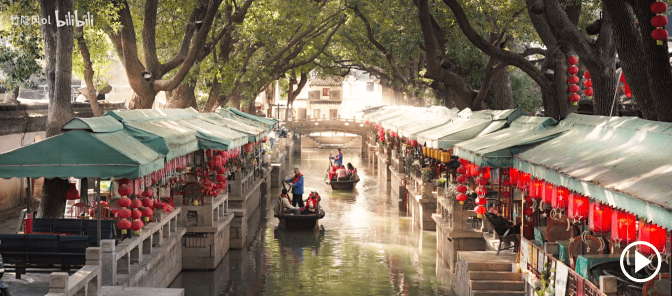
Tongli is located about 30 km from Suzhou’s city center and is one of China’s six famous water towns.
The town is divided into seven small islands by 15 canals, and the islands are connected by 49 stone bridges. Tongli is both a tourist attraction and a residential area—you can still see locals washing vegetables by the water, elderly residents chatting by the bridges, and children playing in the narrow alleys.
Hours: 8am–5pm (Entry is free after 5pm)
Ticket: ¥100 at the gate; ¥80 if purchased in advance
Recommended Visit Time: About 2 hours
How to visit:
- Stroll along the canals and visit key attractions such as Tuisi Garden and Pearl Tower—both are included in the main admission ticket.
- Take a rowing boat ride: ¥160 per boat (up to 6 people) for 25 minutes during the day; ¥180 at night. Shared boats are available.
Getting There:
- Take Metro Line 4 to Tongli Station (about 1 hour, ¥7). Outside the metro station you’ll find the Wujiang T1 Smart Tram, a virtual-track tram. It takes about 13 minutes to reach Tongli Ancient Town, and the ride is free (transfers are free within 90 minutes of taking the metro).
- By taxi: about 50 minutes, around ¥80.
Note: There are several water towns around Suzhou. Tongli is the closest and the easiest to reach from downtown Suzhou.
Watch: 这样的江南或许就是我们向往的诗和远方吧!
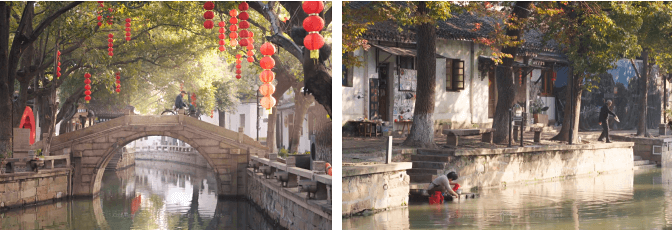
Watch: 同里古镇漫游
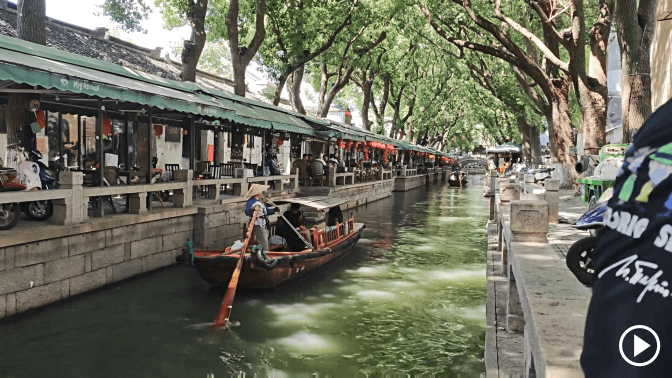
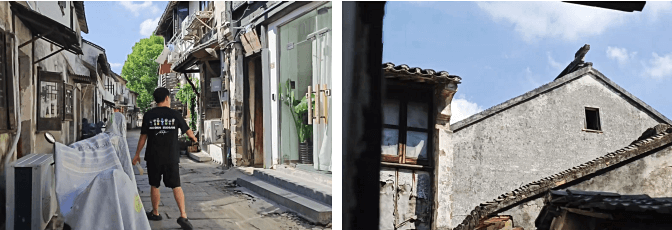
Thank you for reading. Hope you have a wonderful journey! ヽ(´▽`)/